Engineering
Custom software development
Web applications, internal business systems, APIs and integrations built with modern, maintainable stacks and documented interfaces.
Information technology company
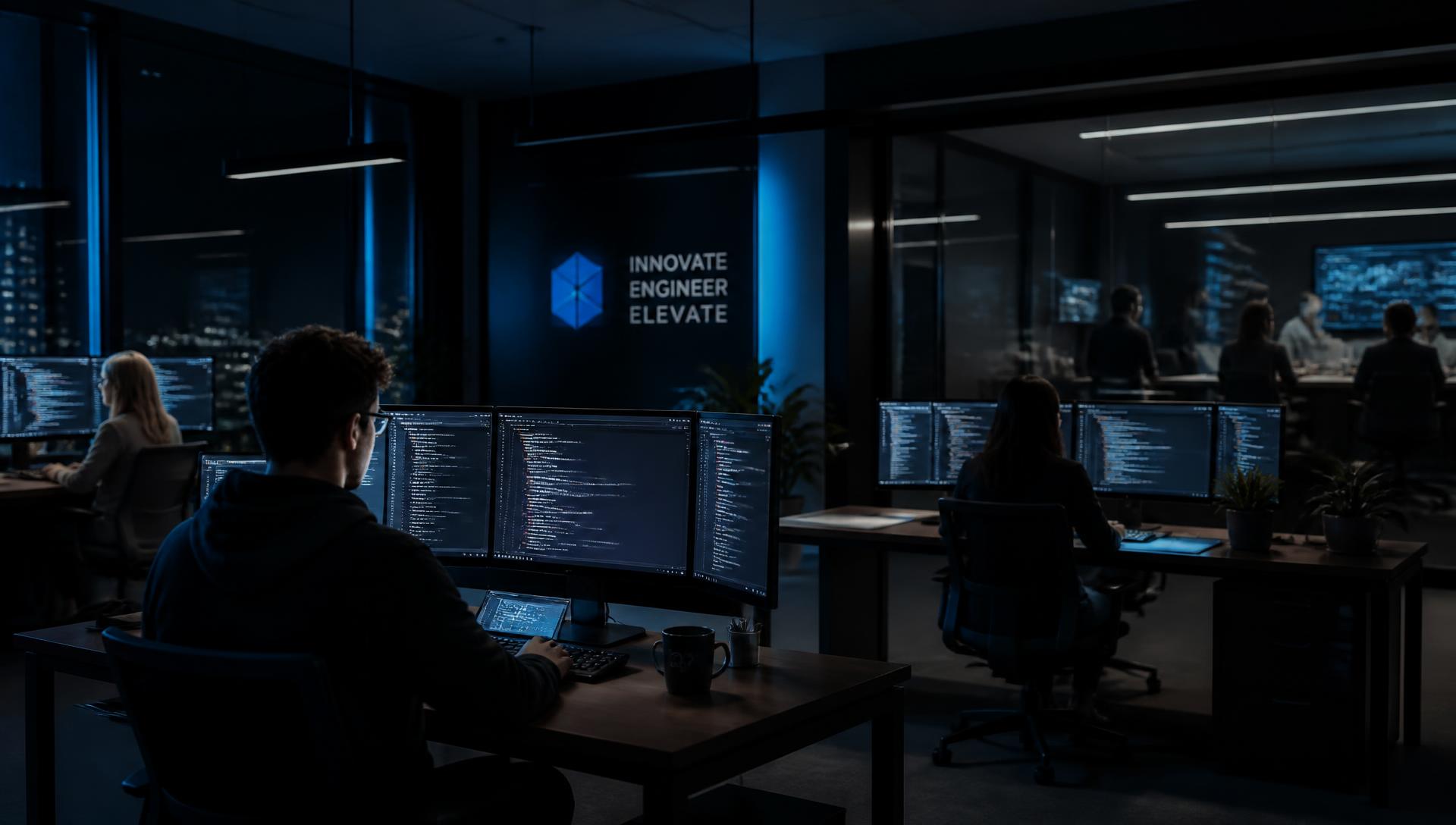
RAIN OR SHINE LTD builds, modernises and maintains digital systems. We work across application development, cloud infrastructure, data engineering, quality assurance and ongoing technical support, with engineering practices designed for long-lived production systems.
What we do
Our teams cover the work required to take a system from an idea to a maintained production service: discovery and technical analysis, architecture, implementation, testing, release engineering and long-term operation.
Engineering
Web applications, internal business systems, APIs and integrations built with modern, maintainable stacks and documented interfaces.
Platform
Infrastructure design, containerised workloads, automated deployment pipelines, environment separation and cost-aware scaling.
Data
Data models, pipelines, reporting layers and validation rules so that reporting and analytics work from consistent sources.
Quality
Test strategy, automated regression suites, performance checks and release verification integrated into delivery.
Modernisation
Incremental replacement of ageing components, dependency upgrades, refactoring and migration planning with rollback paths.
Operations
Monitoring, incident handling, corrective maintenance and planned improvement work after go-live.
Engineering approach
Delivery process
You describe the goal, context and constraints by email; we clarify scope and feasibility.
Technical analysis of existing systems, data and integrations, resulting in a proposed approach.
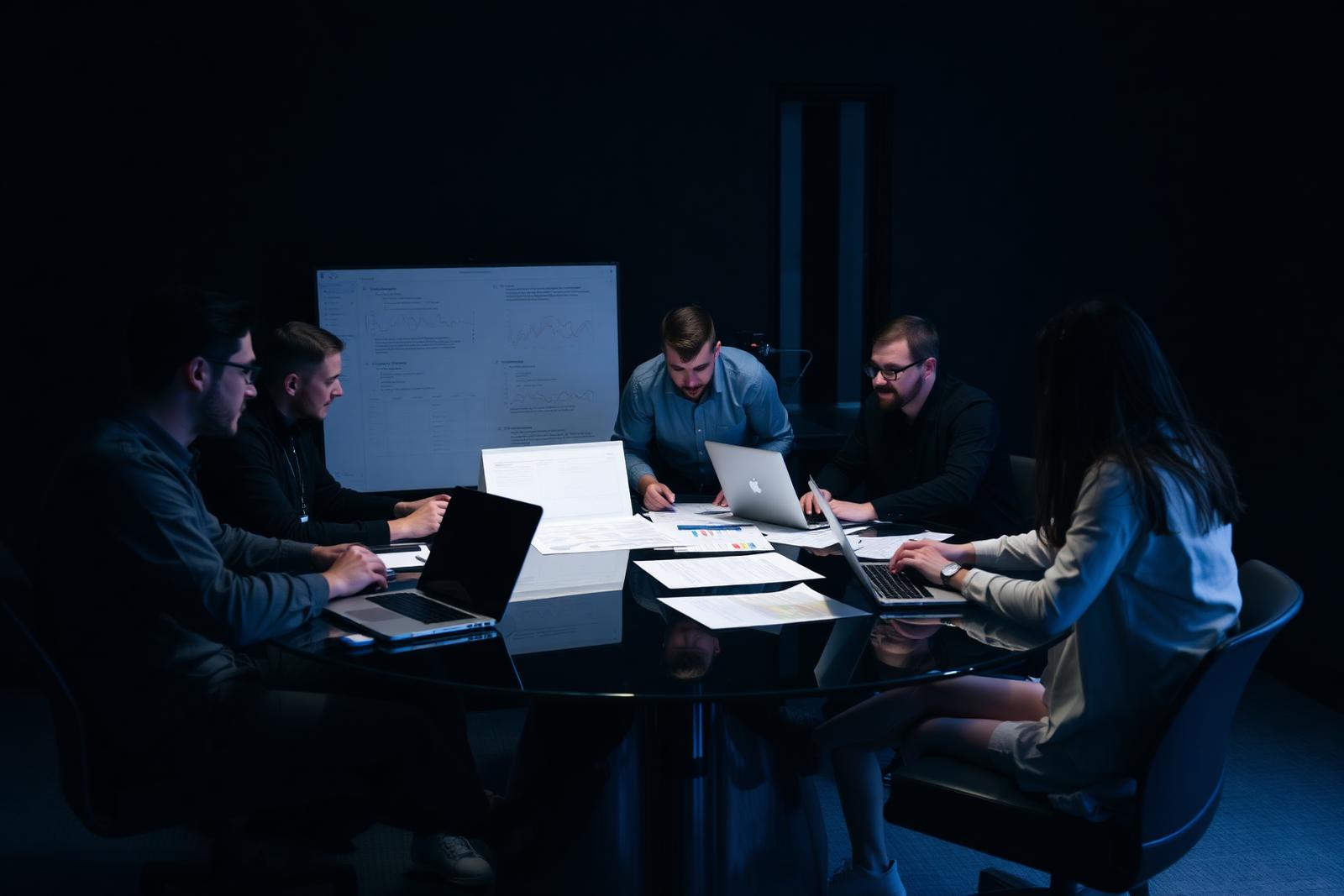
Scope, milestones, team composition, assumptions and acceptance criteria are agreed in writing.
Iterative development with code review, automated testing and regular demonstrations.
Environment preparation, deployment automation, verification and handover documentation.
Monitoring, maintenance and further increments under an agreed support arrangement.
Technology
Engagement models
Model 01
A defined deliverable with agreed milestones and acceptance criteria. Suitable when requirements are stable and documented.
Model 02
Engineers working continuously on your roadmap with an agreed capacity, ceremonies and reporting cadence.
Model 03
Ongoing operation of an existing system: monitoring, fixes, dependency updates and incremental improvements.
Industries
The following areas describe the types of technical problems our services are designed for.
Quality and reliability
We treat testing, observability and operational readiness as part of the definition of done. Every increment we release is expected to be deployable, monitored and reversible.
Code is reviewed before merge, automated checks run on every change, and infrastructure changes follow the same review path as application code.
Where a system carries risk, we document failure modes and recovery steps so that operational staff can act without relying on tribal knowledge.
Security and data handling
Access to systems and data is limited to what a task requires and revoked when it ends.
Credentials are stored in managed secret stores and never committed to source control.
Every change is recorded in version control with review history.
We work with the smallest realistic data set needed, using anonymised data where possible.
Working with us
Cadence
A named point of contact, written summaries of decisions, and a regular review of progress against the agreed plan.
Reporting
Open task tracking, visible backlog priorities and honest reporting when an estimate or assumption changes.
Handover
Source code, infrastructure definitions and documentation belong to the client and are handed over in a usable state.
Knowledge
Work is documented and shared across the team so that delivery does not depend on a single individual.
Common questions
Contact information
This website has no forms and no interactive controls. To start a conversation, send an email describing your goal, timeline and any technical constraints, and include the systems currently involved.